Protection

Solar Warranties Explained

Quick answer

A solar system usually comes with separate warranties for the panels, inverter, battery and the installation work itself. The most important is an insurance-backed workmanship warranty, because it still protects you if the installer stops trading. Ask for every warranty in writing, check who honours it, and note how long each one lasts.

A solar system comes with several warranties from different companies, each covering different things for different lengths of time. Knowing which is which helps you compare quotes properly, and tells you who to call if something goes wrong.

Last updated: 1 November 2026

Reviewed by the Scottish Energy Efficiency team.

Homeowner reviewing a solar panel warranty and insurance document

What warranties come with a solar panel system?

Short answer

Most systems come with four kinds of cover: a panel product warranty, a panel performance warranty, an inverter warranty and the installer’s workmanship warranty. A battery brings its own warranty too. Each comes from a different company, so ask for all of them in writing before you sign anything.

Manufacturer warranties cover faults in the equipment itself. The workmanship warranty covers the quality of the installation: the mounting, roof fixings, cabling and connections. Both matter, and the workmanship warranty is the one most often overlooked.
How long do panel and inverter warranties usually last?

Short answer

Panel product warranties are often 10 to 25 years, and performance warranties often 25 to 30 years, promising a minimum output as the panels age. Inverter warranties are commonly 5 to 12 years and can sometimes be extended. Terms vary by manufacturer, so check the datasheets for the exact models you are quoted.

The inverter is the part most likely to need replacing during the life of a system, so a longer inverter warranty is worth weighing when you compare quotes. Some manufacturers only give the full term if the product is registered, so ask whether the installer does this for you.

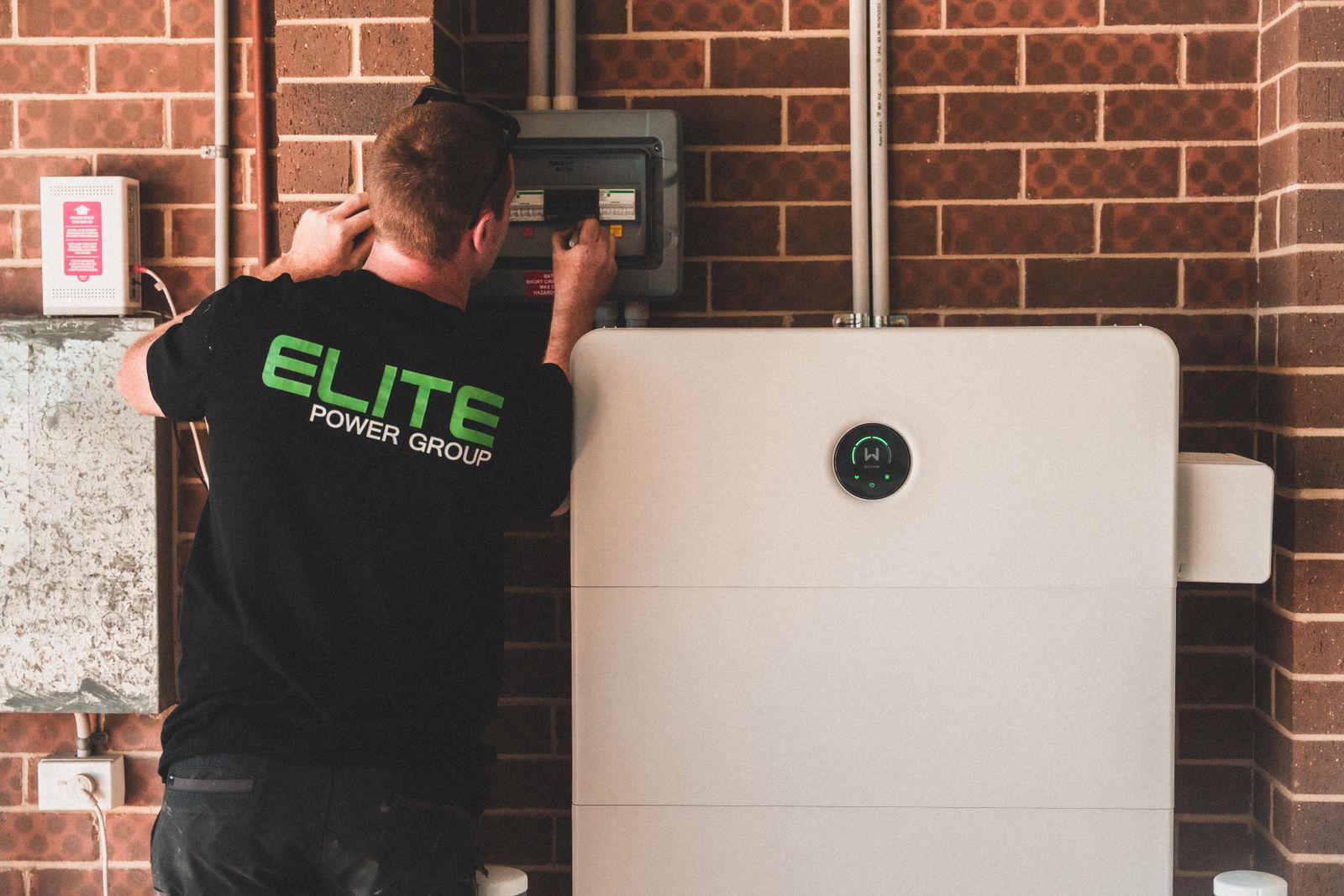
Electrician installing a home battery storage unit alongside a solar system

What does a workmanship warranty cover?

Short answer

A workmanship warranty covers faults caused by the installation itself, such as leaks around roof fixings, loose mounting or faulty wiring. Terms vary, and many reputable installers offer around ten years. Read what is excluded, how you make a claim and whether call-outs are charged during the warranty period.

In Scottish wind and rain, the roof work really matters. Ask how panels will be fixed to your roof type, whether slates or tiles will be cut or replaced, and how the installer seals around each fixing.

What is an insurance-backed guarantee?

Short answer

An insurance-backed guarantee protects your workmanship warranty if the installer stops trading: an insurer steps in to honour the cover for the rest of its term. Without one, a long workmanship warranty is only as good as the company’s future. Ask to see the policy document, not just a line in the quote.

Consumer codes such as HIES expect members to protect deposits and offer this kind of cover. Check who the insurer is and how you would claim directly if you needed to.

How do you keep your warranties valid?

Short answer

Keep every document together: MCS certificate, electrical certificate, datasheets, warranty registrations and invoices. Follow any maintenance guidance and avoid unapproved changes to the system. If a fault appears, contact the installer first, in writing, with photos and dates where you can.

If you sell your home, check whether the warranties transfer to the new owner. Most manufacturer warranties do; some workmanship warranties need the new owner to register.

What else do homeowners ask?

Does a performance warranty mean the panels never lose output?

No. All panels lose a little output each year. A performance warranty promises they will still produce at least a stated share of their original output after a set number of years.

Who do I contact if my inverter fails?

Contact your installer first. They will diagnose the fault and, if it is covered, handle the manufacturer claim. If the installer has stopped trading, contact the manufacturer directly with your purchase documents.

Are batteries covered for as long as panels?

Usually not. Battery warranties are commonly around ten years and often include a minimum remaining capacity or a limit on total energy used. Check both conditions for the exact battery being quoted.

Does bird damage count as a warranty claim?

Usually not, as damage from pests is normally excluded. Bird protection mesh fitted at installation is the better safeguard, especially where pigeons or gulls are common.

Do warranties cover storm damage?

Generally not. Storm damage is normally a home insurance matter, so tell your home insurer you have solar panels and check they are covered by your policy.

Get your quote

Compare vetted installers for your postcode

No obligation. We install through MCS-certified partners matched to your area, and you choose whether to go ahead. Interest-free credit up to £30,000, subject to status.

Get your solar quote

Takes under a minute. We call to arrange a survey.

No obligation · We install through MCS-certified partners · Scottish homes and businesses

We only use your details to arrange your quote. See our privacy policy.