Buyer guide

How to Choose a Solar Installer in Scotland

Quick answer

To choose a solar installer in Scotland, check their MCS certification number, consumer code membership and insurance-backed workmanship warranty, then compare at least two written quotes that name the panels, inverter and battery. Avoid anyone pressing you to sign on the day, and make sure the deposit is modest and the balance is due on completion.

Choosing who fits your panels matters as much as choosing the panels. Here is what to check, in the order that saves you the most time.

Last updated: 1 November 2026

Reviewed by the Scottish Energy Efficiency team.

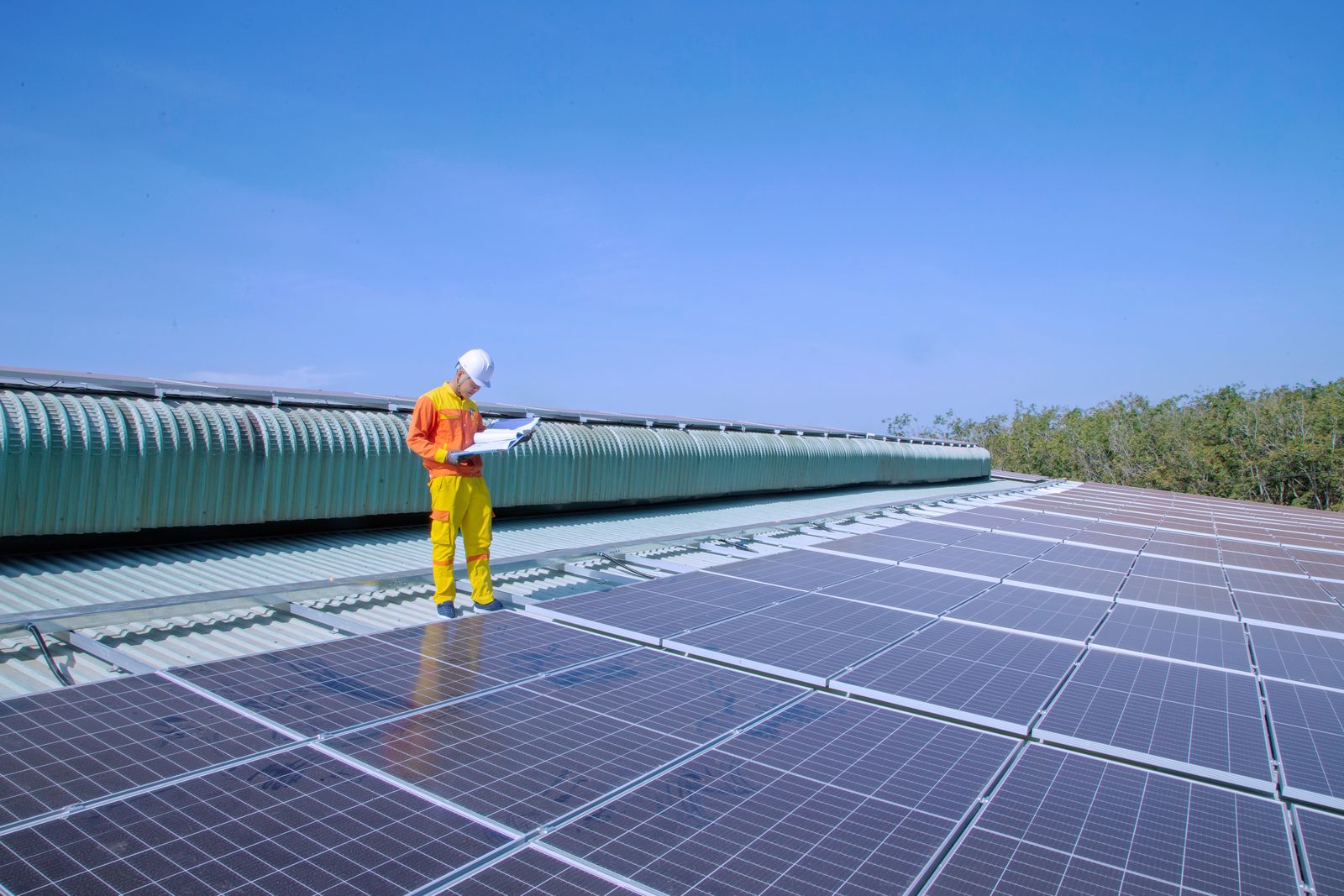
Solar technician inspecting a rooftop solar array on a home in Scotland

What should you check first when choosing a solar installer?

Short answer

Start with certification. For solar panels and batteries, the installer should be MCS-certified and belong to a consumer code such as HIES. Without an MCS certificate you normally cannot claim Smart Export Guarantee payments for the electricity you sell back to the grid, so this one check rules out a lot of risk.

Check the MCS website yourself rather than trusting a logo. Many firms sell under one name and install through another; systems are installed through MCS-certified partners. What matters is that the company named on your contract and certificate is certified for the technology you want.
How many quotes should you get?

Short answer

Get at least three written quotes for the same property. That gives you a fair sense of what a sensible design and price look like, and it makes outliers obvious. A quote far cheaper than the others often hides weaker equipment or missing items, and one far dearer should explain clearly why.

Compare panel make, system size in kWp, inverter, battery, scaffolding and bird protection line by line. Roof access, battery choice and electrical upgrades can move this a long way, which is why a proper survey matters.

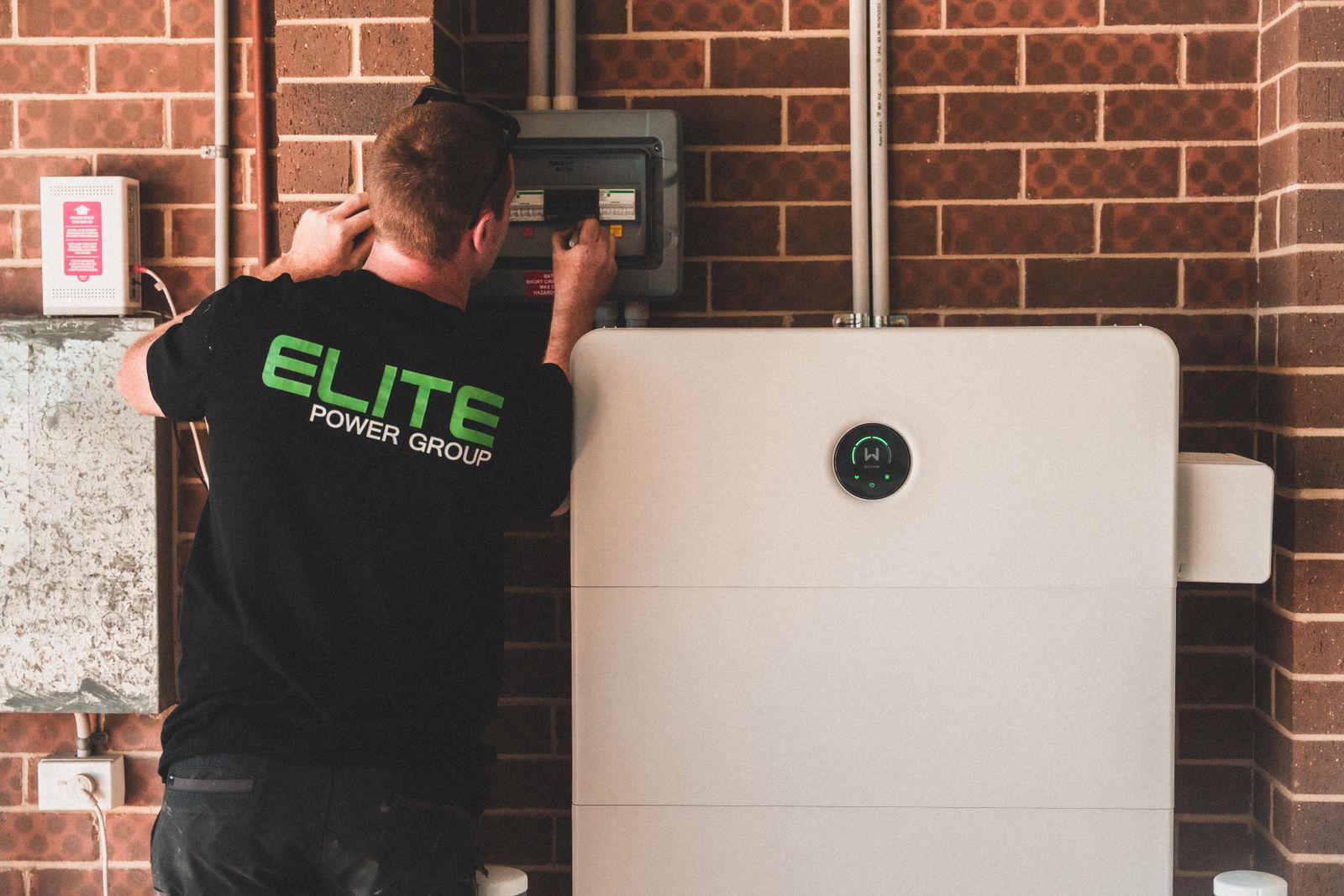
Electrician installing a home battery storage unit alongside a solar system

Should the installer survey your roof before quoting?

Short answer

Yes. A reliable quote needs a proper look at your roof, your fuse board and where the inverter and any battery will go. Remote quotes from satellite images are fine for a first estimate, but the final price and design should follow a survey, either in person or with detailed photos and measurements.

Scottish homes bring particular challenges: slate roofs, stone walls, older wiring, exposed coastal sites and conservation areas. A good surveyor raises these unprompted and explains how they affect the design.

What are the red flags that mean you should walk away?

Short answer

Walk away from pressure to sign on the day, large upfront deposits, vague quotes without named equipment and savings promises that sound too good to be true. A reputable installer is happy to leave a written quote with you, answer questions in writing and give you time to compare.

Contracts signed at home usually come with a 14-day cooling-off period. Be wary of anyone who asks you to waive it.

How do you check an installer's track record?

Short answer

Look at reviews on more than one independent site, ask to see recent local installations and check how long the company has been trading. Read how the company responds to complaints, not just its overall score. A steady record of putting problems right is one of the best signs you can find.

Companies House shows when a limited company was formed. A long workmanship warranty is only worth having if the firm will be around to honour it, or if it is insurance-backed.

What else do homeowners ask?

Do I need planning permission for solar panels in Scotland?

Most roof-mounted panels on houses are permitted development in Scotland. Listed buildings, conservation areas and flats can differ, so your installer should check your address.

Is the cheapest quote ever the right choice?

It can be, if it matches the others on equipment, warranties and what is included. If it leaves out scaffolding or a named inverter, it may not stay the cheapest.

How long does an installation take?

Most domestic installations take one to two days once scaffolding is up. Battery and electrical work can add a day.

Can I add a battery later?

Usually, yes. Say so at the quote stage so the installer can fit an inverter that supports adding a battery later.

Do you install the systems yourselves?

We install through MCS-certified partners. The company doing the work is named on your quote and contract.

Get your quote

Compare vetted installers for your postcode

No obligation. We install through MCS-certified partners matched to your area, and you choose whether to go ahead. Interest-free credit up to £30,000, subject to status.

Get your solar quote

Takes under a minute. We call to arrange a survey.

No obligation · We install through MCS-certified partners · Scottish homes and businesses

We only use your details to arrange your quote. See our privacy policy.