Credentials

Solar Installer Accreditations Explained

Quick answer

MCS certification shows a solar installer works to a recognised industry standard and is usually needed for Smart Export Guarantee payments. Consumer codes such as HIES give you a route to resolve disputes, and TrustMark covers wider home improvement work. Check every number yourself on the scheme's own website before you sign.

Logos on a website are easy to add. What protects you is knowing what each scheme means and checking it yourself. Here is what the main accreditations cover for solar and battery installations in Scotland, and how to verify them in a few minutes.

Last updated: 1 November 2026

Reviewed by the Scottish Energy Efficiency team.

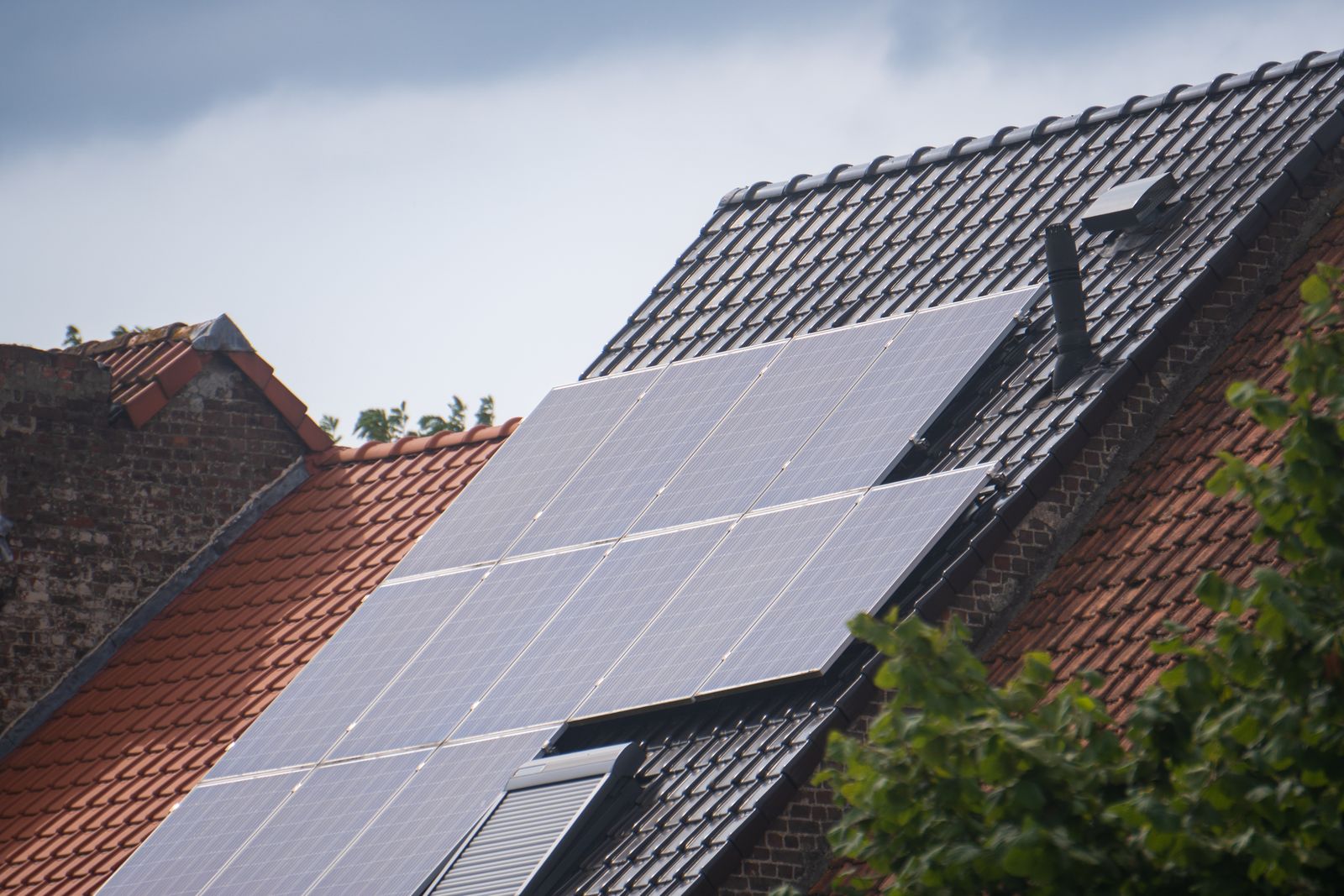
Close-up of solar panels mounted on a residential tiled roof

What is MCS certification and why does it matter?

Short answer

MCS certifies small-scale renewable installers and products in the UK. An MCS-certified installer follows set standards for design and installation and issues an MCS certificate for your system. That certificate is normally needed to receive Smart Export Guarantee payments for the electricity you send to the grid.

Certification covers specific technologies, so check that it includes solar PV and, if relevant, battery storage. You can search the MCS website by company name or certificate number.

We do not hold MCS certification ourselves; we install through MCS-certified partners. The company doing the work is named on your quote and contract.
What does consumer code membership mean?

Short answer

Consumer codes such as HIES are for renewable energy installers. Members agree to rules on honest selling, clear contracts, deposit protection and complaint handling, and you can use an independent dispute service if something goes wrong. MCS requires its installers to belong to an approved consumer code, so expect to see one.

Check membership on the code’s own website using the installer’s member number. The code’s rules are also a useful benchmark for what fair selling looks like, for example on deposits and cooling-off periods.

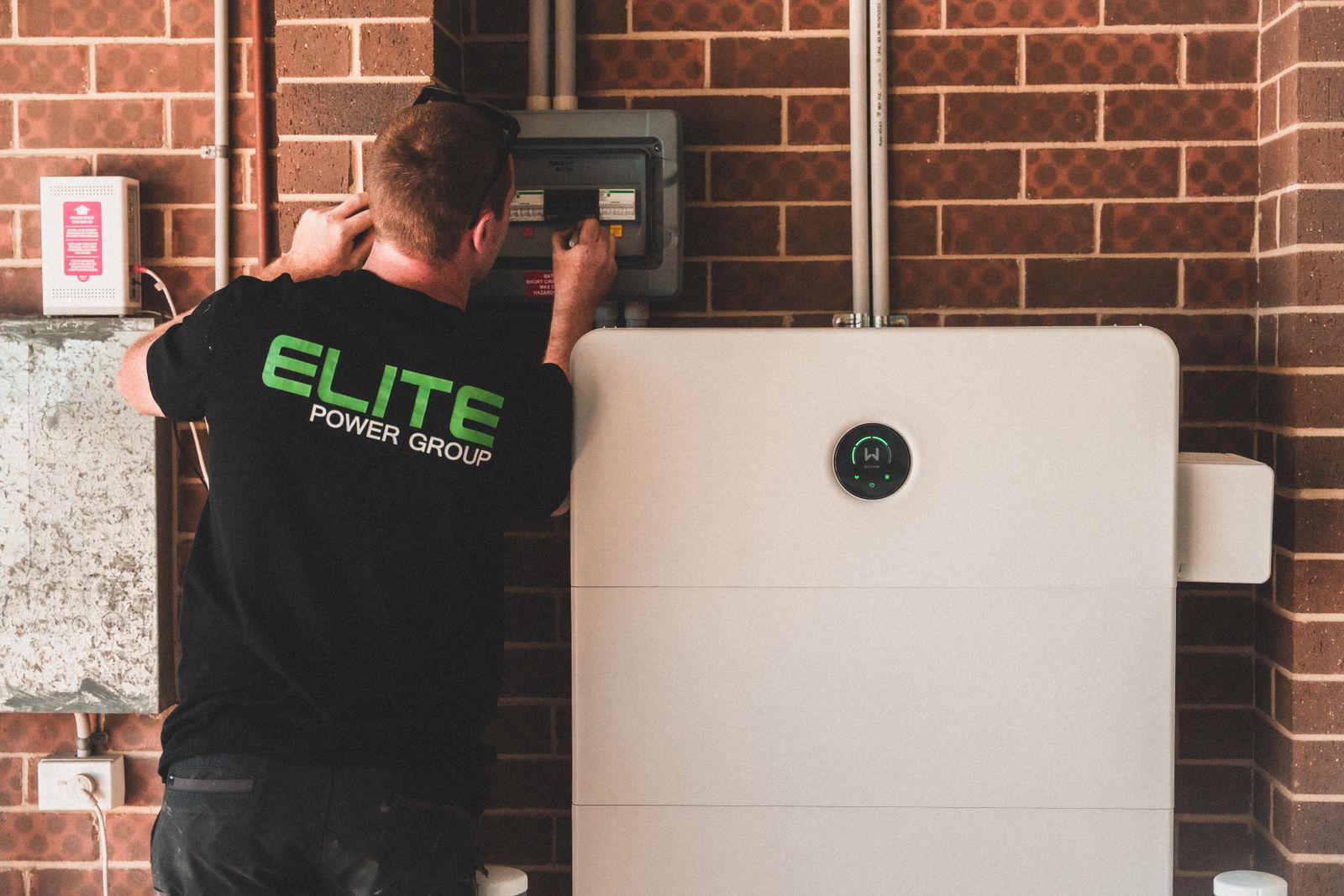
Electrician installing a home battery storage unit alongside a solar system

What is TrustMark?

Short answer

TrustMark is the government-endorsed quality scheme for work in and around the home. Registered businesses are checked for technical competence, customer service and trading practices. It is not specific to solar, but it is a helpful extra signal, and some government-backed schemes require it.

You can look up TrustMark registration by business name on its website. For solar, treat it as a complement to MCS rather than a replacement.

Does the installer need to be part of an electrical scheme?

Short answer

Solar and battery installations include electrical work that must meet the wiring regulations, so the electrician is usually registered with a scheme such as NICEIC or NAPIT. You should receive an electrical installation certificate when the job is finished. Keep it safe alongside your MCS certificate and warranty documents.

Scottish building standards apply too. A good installer tells you if your property needs a building warrant, for example for some flat roofs or larger systems, and handles it as part of the job.

How do you check accreditations yourself?

Short answer

Take the company’s exact registered name and any certificate or member numbers, then search each scheme’s official website. Make sure the name matches the company on your quote and contract, the certificate is current and it covers what you are buying. It takes about ten minutes per quote and is well worth doing.

If the details do not match, ask why. There is often a simple explanation, such as a trading name or an installation partner, but get it in writing before you sign.

What else do homeowners ask?

Is MCS certification a legal requirement?

No, but it is normally needed to receive Smart Export Guarantee payments, and it sets a standard for the work. For most homeowners, an MCS-certified installer is the sensible choice.

Are you MCS-certified?

No. We are a comparison and introduction service, and we install through MCS-certified partners. The company doing the work is named on your quote and contract.

Do the panels and batteries need to be on the MCS list too?

Generally, yes. For the system to be MCS-certified, the main products usually need to be MCS-listed. Ask your installer to confirm this for the panels, inverter and battery being quoted.

What if a scheme logo does not match the scheme’s website?

Ask the installer for their membership number and check again. If the listing still does not appear, do not rely on the logo, and consider choosing a different installer.

Is Gas Safe relevant for solar?

Not for solar panels or batteries, which are electrical. Gas Safe matters if the same company will work on your gas boiler, for example as part of a wider heating upgrade.

Get your quote

Compare vetted installers for your postcode

No obligation. We install through MCS-certified partners matched to your area, and you choose whether to go ahead. Interest-free credit up to £30,000, subject to status.

Get your solar quote

Takes under a minute. We call to arrange a survey.

No obligation · We install through MCS-certified partners · Scottish homes and businesses

We only use your details to arrange your quote. See our privacy policy.